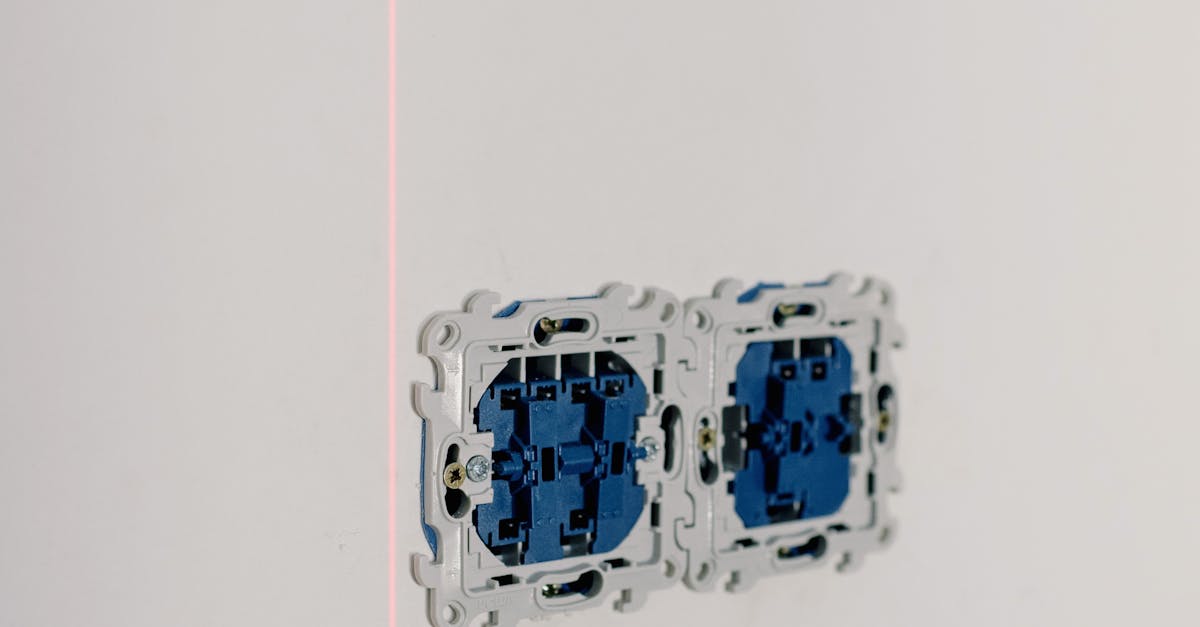
Innovative Wiring Solutions for Modern Australian Homes
Table Of Contents
Safety Standards and Regulations
Wiring installations in Australian homes must adhere to specific safety standards, ensuring both functionality and the well-being of residents. Compliance with the National Electrical Safety Code (NESC) is essential for maintaining safe electrical systems. This involves using quality materials and employing licensed electricians familiar with local regulations. Inspections play a pivotal role in the process, allowing for the identification of potential hazards before they escalate into serious issues.
Homeowners should remain vigilant about the updates on safety regulations and standards, as these can evolve over time. Engaging with professionals who stay informed about the latest codes helps prevent accidents. Understanding the nuances of electrical safety standards not only protects the home but also contributes to a safer community overall.
Ensuring Compliance in Wiring Installations
Adhering to safety standards is essential for any electrical installation in Australian homes. Compliance with the Australian Wiring Rules is fundamental, ensuring both safety and efficiency. These regulations detail the requirements for materials, installation techniques, and inspections necessary to prevent electrical hazards. Homeowners should engage licensed electricians experienced with local codes to ensure all wiring meets the mandated standards.
Regular inspections are recommended to maintain compliance over time. Ageing wiring or modifications may lead to safety issues that compromise a home’s electrical integrity. Homeowners must stay proactive by scheduling periodic assessments of their electrical systems, especially before undertaking renovations. By doing so, they can identify potential risks early and ensure their home remains safe and compliant with the latest regulations.
The Role of Lighting in Wiring Solutions
Lighting serves as an essential element in the design and functionality of modern wiring solutions. With advancements in technology, homeowners have access to a variety of lighting options that can enhance both aesthetic appeal and energy efficiency. Incorporating LED fixtures and smart lighting systems allows for greater control over brightness and energy consumption. These developments not only contribute to a home's atmosphere but also align with sustainability goals, making them an integral part of contemporary electrical installations.
A well-considered lighting layout can significantly impact the overall wiring strategy within a home. When planning electrical systems, factors such as the type of fixtures, placement, and associated circuitry must be evaluated. Effective integration of lighting solutions requires collaboration between homeowners, electricians, and designers to ensure optimal performance and adherence to safety standards. Emphasising this aspect of wiring enhances the overall living experience, making it a pivotal consideration in any modern Australian home.
Creating Ambiance with Smart Lighting
Smart lighting systems offer a versatile approach to home illumination, allowing homeowners to adjust brightness and colour temperature according to their preferences and the time of day. These systems often integrate with mobile apps and smart home devices, enabling users to create specific lighting scenes for various activities, such as reading, entertaining, or relaxing. As technology advances, more options become available, making it easier for residents to enhance their living spaces with tailored lighting solutions.
Incorporating smart lighting into residential wiring plans not only boosts the aesthetic appeal of a home but also contributes to energy efficiency. Homeowners can programme lights to turn off when not in use or adjust automatically based on natural light levels, reducing energy consumption significantly. This technological integration creates a more environmentally friendly living space while saving money on electricity bills in the long run.
Cost Considerations for Modern Wiring
When undertaking wiring projects in modern homes, homeowners must evaluate the financial implications associated with installations, upgrades, and repairs. The cost of materials such as cables, switches, and circuit breakers can vary significantly based on quality and brand. Additionally, labour costs can escalate depending on the complexity of the wiring system. It is essential for homeowners to seek multiple quotes from qualified electricians to ensure competitive pricing while maintaining safety standards.
Budgeting effectively requires not only considering immediate costs but also planning for future needs. As technology advances, the demand for smart home systems continues to grow, necessitating potential adjustments to existing wiring. Setting aside a contingency fund can cover unforeseen expenses that may arise during any work. Homeowners should also think about energy-efficient solutions that, although potentially higher in upfront costs, can lead to savings on utility bills in the long run.
Budgeting for Upgrades and Repairs
Investing in modern wiring solutions can significantly enhance a home’s functionality and safety. Homeowners should consider not just the initial costs of installation but also long-term budgeting for upgrades and repairs. For example, outdated wiring may need replacement, especially if it no longer meets safety standards. Regular maintenance checks can prevent larger, costlier issues down the line. Allocating funds for potential upgrades ensures flexibility when adapting to new technologies or lifestyle changes.
When assessing financial options, it is wise to seek multiple quotes from licensed electricians. This approach provides a better understanding of the market rate for various services, from intricate smart home wiring systems to basic electrical repairs. Setting up a contingency fund can also help manage unexpected expenses that may arise during a project. Prioritising these budgeting strategies not only streamlines the planning process but also promotes a safer and more efficient living environment.
FAQS
What are the main safety standards for wiring in Australian homes?
The primary safety standards for wiring in Australian homes are dictated by the Australian/New Zealand Wiring Rules (AS/NZS 3000), which outline the necessary safety measures to ensure electrical installations are safe and compliant.
How can I ensure my home’s wiring installations are compliant?
To ensure compliance, it’s crucial to hire a licensed electrician who is familiar with the latest Australian standards and regulations. Additionally, routine inspections and maintenance can help identify potential issues before they become serious problems.
What role does lighting play in modern wiring solutions?
Lighting is essential in modern wiring solutions as it not only provides illumination but also enhances the aesthetics of a space. Smart lighting systems allow for customisation, energy efficiency, and automation, creating a more dynamic living environment.
How can I create ambiance with smart lighting?
You can create ambiance with smart lighting by using dimmable LED bulbs, colour-changing lights, and programmable lighting scenes that adjust according to the time of day or occasion, all controlled via smartphone apps or voice commands.
What should I consider when budgeting for wiring upgrades or repairs?
When budgeting for wiring upgrades or repairs, consider the extent of the work needed, the types of materials and technology you want to incorporate, and any potential costs for hiring a licensed electrician. It's also wise to set aside a contingency fund for unexpected expenses.
Related Links
Top Signs Your Home Needs Electrical Rewiring in WarragulExpert Guidance on Residential Wiring Upgrades in Warragul
The Importance of Hiring Licensed Electricians for Rewiring
Why You Should Prioritise Electrical Inspections Before Rewiring
Understanding the Costs Associated with Home Wiring in Warragul
Step-by-Step Process for Safe Home Rewiring in Warragul
Common Wiring Issues and Solutions for Warragul Homeowners
Essential Considerations for Rewiring Older Homes in Warragul